

Why Protein-Maxxing Is Making Us Fat
A lawsuit, scientists at Rutgers, and a FDA loophole explain why protein-ified food is tricking consumers into metabolic bloat. Plus: A simple formula to get around misleading claims.

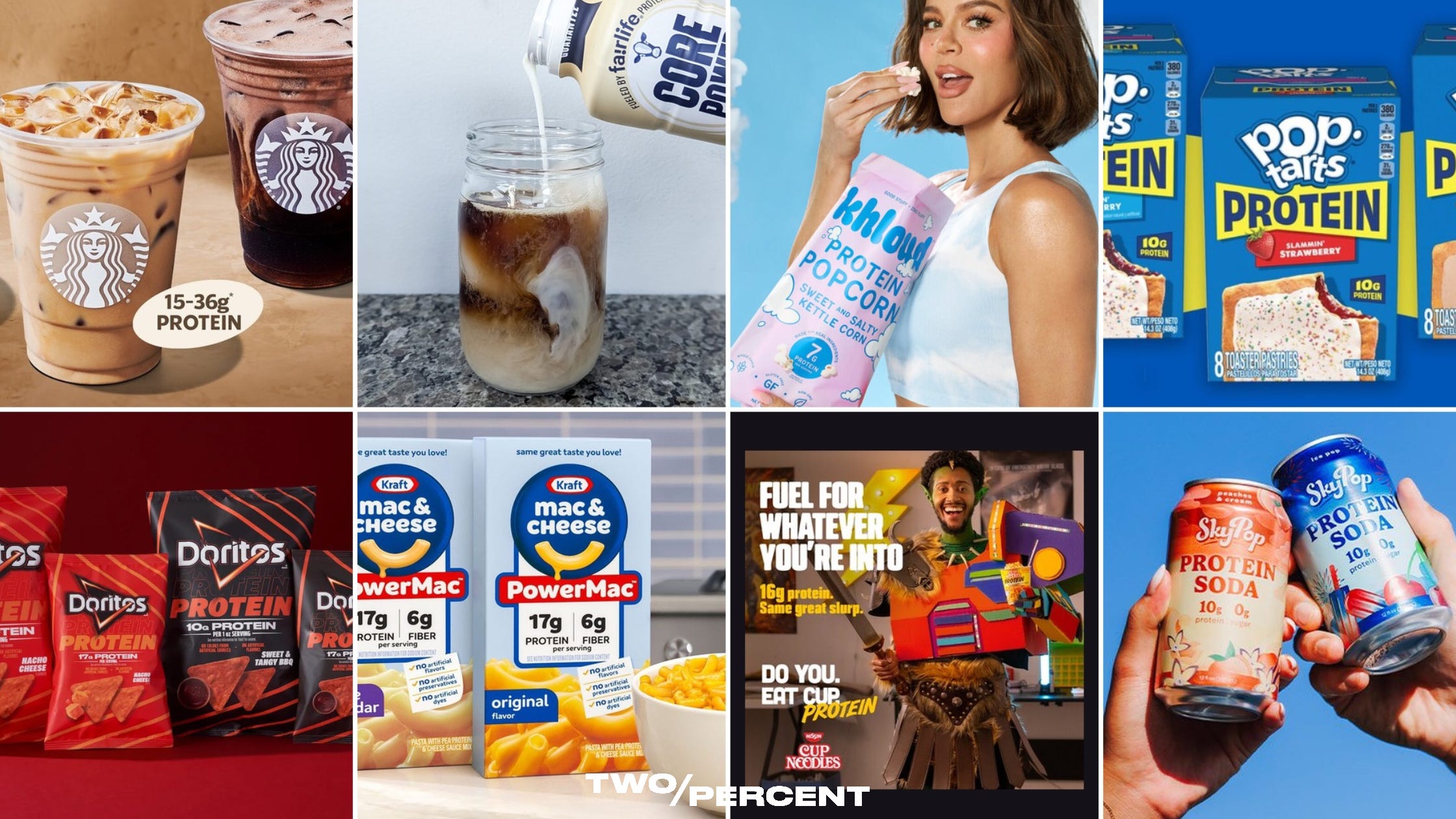
A few months ago, we covered how proteinmaxxing has reached Waffle House—the great American institution where drunk people coalesce at 2 a.m. to eat and fight.
The protein trend, however, might be strongest at your local grocery store.
Doritos Protein launched this year. We have Pop-Tarts Protein. Protein Eggo waffles. Protein soda. Protein Starbucks drinks. Protein mac & cheese. Protein … you get the point.
Take a food. Any food. If its sales are flat, just inject some protein into it and let it rip.
The research group Mintel counted 4,505 new grocery product launches with a high-protein claim over the last five years. That’s roughly two and a half new protein products a day, every day, for five years.
The Kerry Group, a food ingredients company, recently told investors that protein is now a “design requirement” of foods rather than a feature. Packaged foods carrying protein claims are growing at 7% annually while other foods remain relatively static.
Here’s the problem: A lot of these products are bullshitting us.
Many foods marketed as high in protein aren’t high in protein at all. Research also shows many of these protein foods may actually be harming our health in the long run.
Enter protein cookies, a lawsuit, scientists at Rutgers, and a simple formula we can all use to spot nonsense protein claims.
Today you’ll learn:
A simple 1-second formula you can use in the grocery aisle to spot bad protein claims.
Why a study from Rutgers University shows front-of-package protein claims actively mislead people into worse health decisions.
The FDA loophole that lets low-protein snacks pretend to be high-protein.
A cheat sheet ranking everyday foods from best to worst for protein.
Thursday’s Two Percent podcast: Dr. Gabrielle Lyon on Muscle
Most of us assume America has an obesity problem. Dr. Gabrielle Lyon argues we’re not overly fat, we’re under-muscled. We talked about the benefits of muscle, the science of building it, and more. I pushed back on where Dr. Lyon’s argument is strongest and where it might miss—we got into whether you can have too much muscle, problems with the protein craze, and why she believes GLP-1s could trade the obesity epidemic for a sarcopenia epidemic (too little muscle).
P.S. Subscribe and give us a rating. I’d appreciate it!
Shoutout to our partners
Momentous just upgraded their creatine. The original was 99% pure and the best on the market. Now it’s 99.9% pure. It has 10x fewer impurities, 2-5x tighter heavy metal limits, 10x lower microbial load, and no microplastics. This is why I love Momentous. They’re obsessive about making things better. Buy it here.
MacroFactor is the best nutrition app I’ve found. MacroFactor uses dynamic adjustment, a scientifically validated formula to help you find the right amount of food for your goals. It helped me realize I was under-eating. And when I ate more, my fitness improved and I felt better. Read more here, and get a free 14-day MacroFactor trial here. Use code TWOPCT.
The curious case of protein cookies
You’ve probably seen Lenny & Larry’s cookies at gas stations and airport stores.
They’re pitched as a healthy, high-protein cookie. The front packaging boasts “16G protein per cookie” claim.
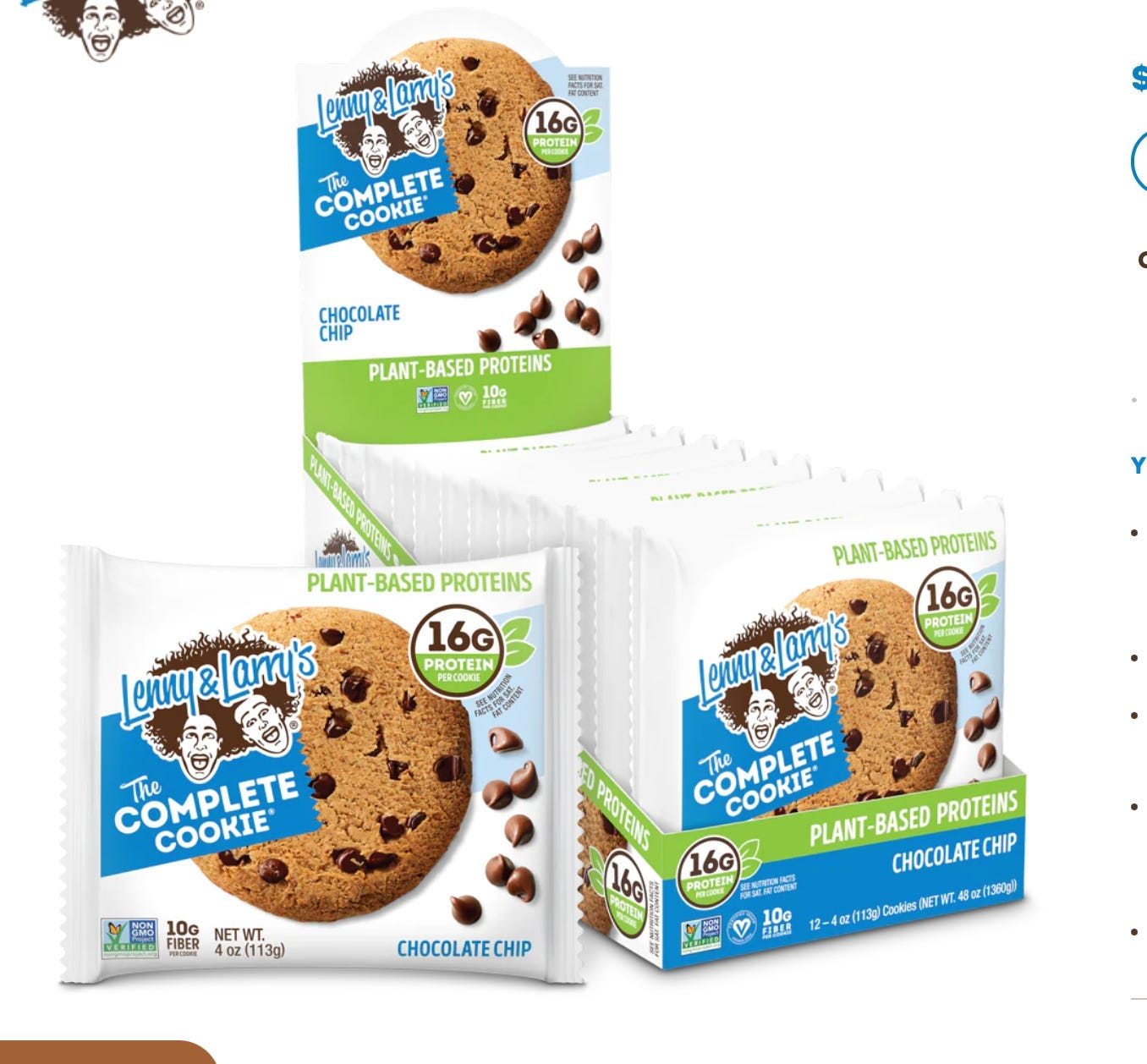
But there’s an important question we must ask ourselves before accepting that this food—or any food with a protein claim—is actually high in protein.
This question can help us find which foods are actually good sources of protein, and which lead to literal and metaphorical bloat.
The question:
Keep reading with a 7-day free trial
Subscribe to Two Percent with Michael Easter to keep reading this post and get 7 days of free access to the full post archives.