

The New Harvard Strength Study
Exactly how much time you should strength train for maximum benefits.

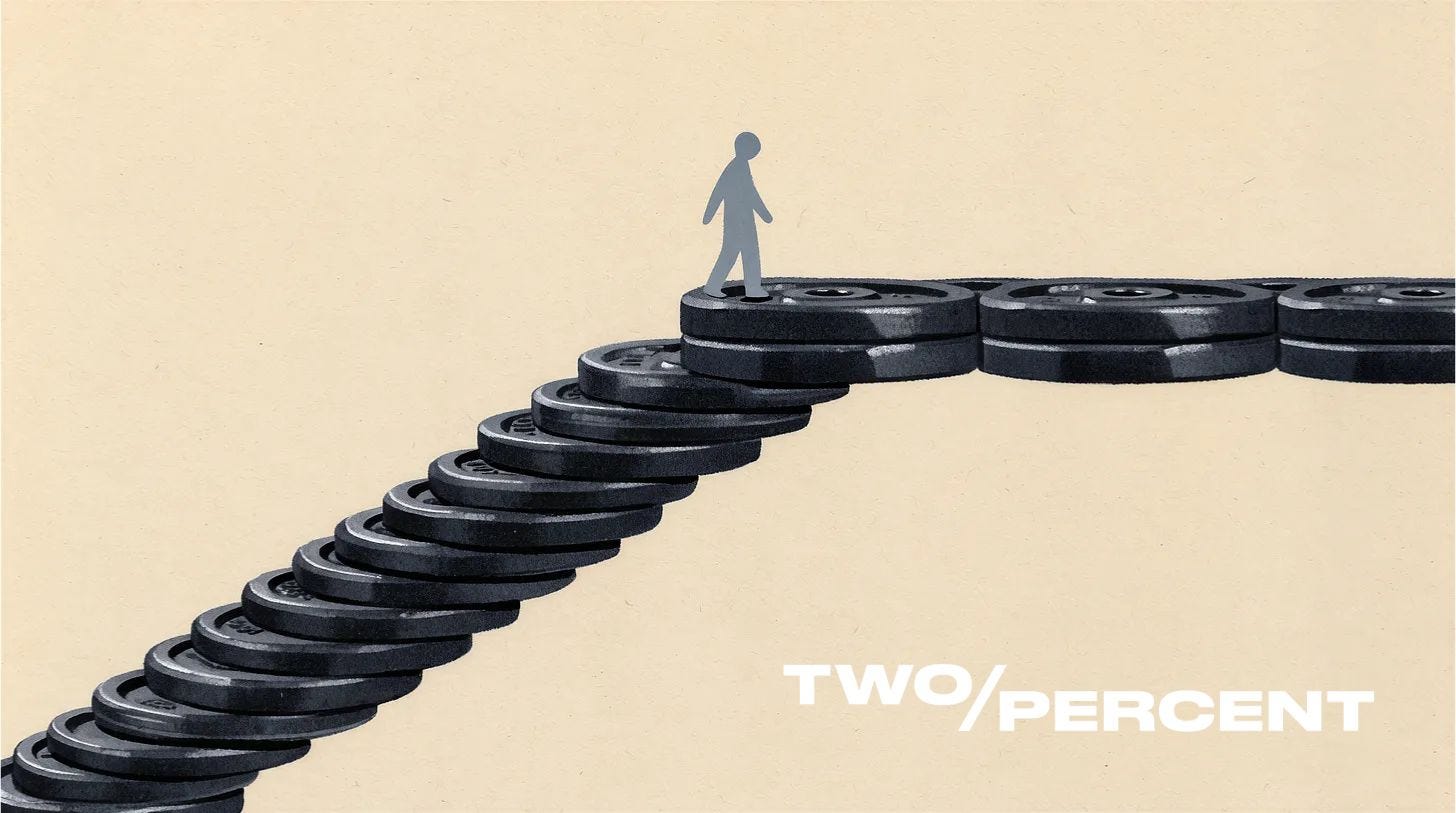
I am not a professional exerciser. I’m a writer and, as of April, a podcast host.
I have about five hours a week for exercise. Maybe six or seven hours when the stars align.
So, big question: How should that time be spent?
Think of exercise like a stock portfolio. How do you diversify to protect yourself while also maximizing returns? What percentage of your time should go to cardio, and what should go to strength?
Problem is, the answer has always typically on who you asked. Endurance researchers and coaches will tell you that strength hardly matters. Meanwhile, a strength scientist, bodybuilding trainer, or CrossFit coach will tell you strength is everything and to just lift weights faster for your cardio.
What we need is data. Good data on the amount of strength and cardio training that will help us get as many benefits as possible out of our limited time.
We have a decent handle on the cardio numbers. The Federal Exercise Guidelines suggest 150 minutes of moderate-to-vigorous (or 75 minutes vigorous) cardio exercise a week. We also know that we maximize the benefits if we double those figures.
But strength is murkier. We don’t really have a time range. The same Federal Exercise Guidelines say adults should strength train “two or more days a week.”
Two days is vague. So is “or more.” Like, how much time is that, exactly? And does “or more” mean you just keep improving the more you do?
We’ve needed research that puts a specific time stamp on strength training and health outcomes (dose-reponse data), with enough participants and enough follow-up to feel confident about the numbers.
The good news: That data now exists, and we’re covering it today.
Researchers at Harvard tracked more than 147,000 people for up to 30 years. It’s among the largest and longest investigations of strength training and mortality ever conducted.
They were looking for where the benefits of time spent strength training peak, and where they stop. This could tell us an ideal amount of time to lift each week.
More lifting might be better. Or there might be a ceiling above which extra time in the gym gets you more time in the gym and not much else for your health.
Today you’ll learn:
The weekly minutes of lifting linked to the biggest decreases in all-cause mortality, heart disease deaths, and brain disease.
Why cancer responds to strength training differently, and a good amount of training to target.
The sweet spot of time spent strength training that improves all of these outcomes, and at what weekly time training they disappear.
How to flex within that range based on whether you’re chasing strength, endurance, or just trying to get out of the gym faster.
Quick housekeeping
ICYMI:
Last Wednesday, we covered why morning routines can be a distraction.
Friday’s Gear Not Stuff covered 10 Buy-It-For-Life pieces of gear (not stuff).
Shoutout to our partners:
💪 David Protein Bars have the highest amount of protein per calorie of all protein bars. That makes them a great option for anyone who wants protein on the go without the excess sugar and fat of most bars. Visit DavidProtein.com.
🧪 Function Health offers 5x deeper insights into your health than typical bloodwork. The info can guide you into feeling better every day. It helped me identify a mineral insufficiency—and was cheaper than my insurance. Go to my page here to sign up, receive a discount, and pay just $340.
The strength training sweet spot
Keep reading with a 7-day free trial
Subscribe to Two Percent with Michael Easter to keep reading this post and get 7 days of free access to the full post archives.