

Podcast: Build Better Habits & Master the Mental Game of Eating
Melissa Urban, Founder of Whole30, talks nutrition and habit change (from millions of data points).

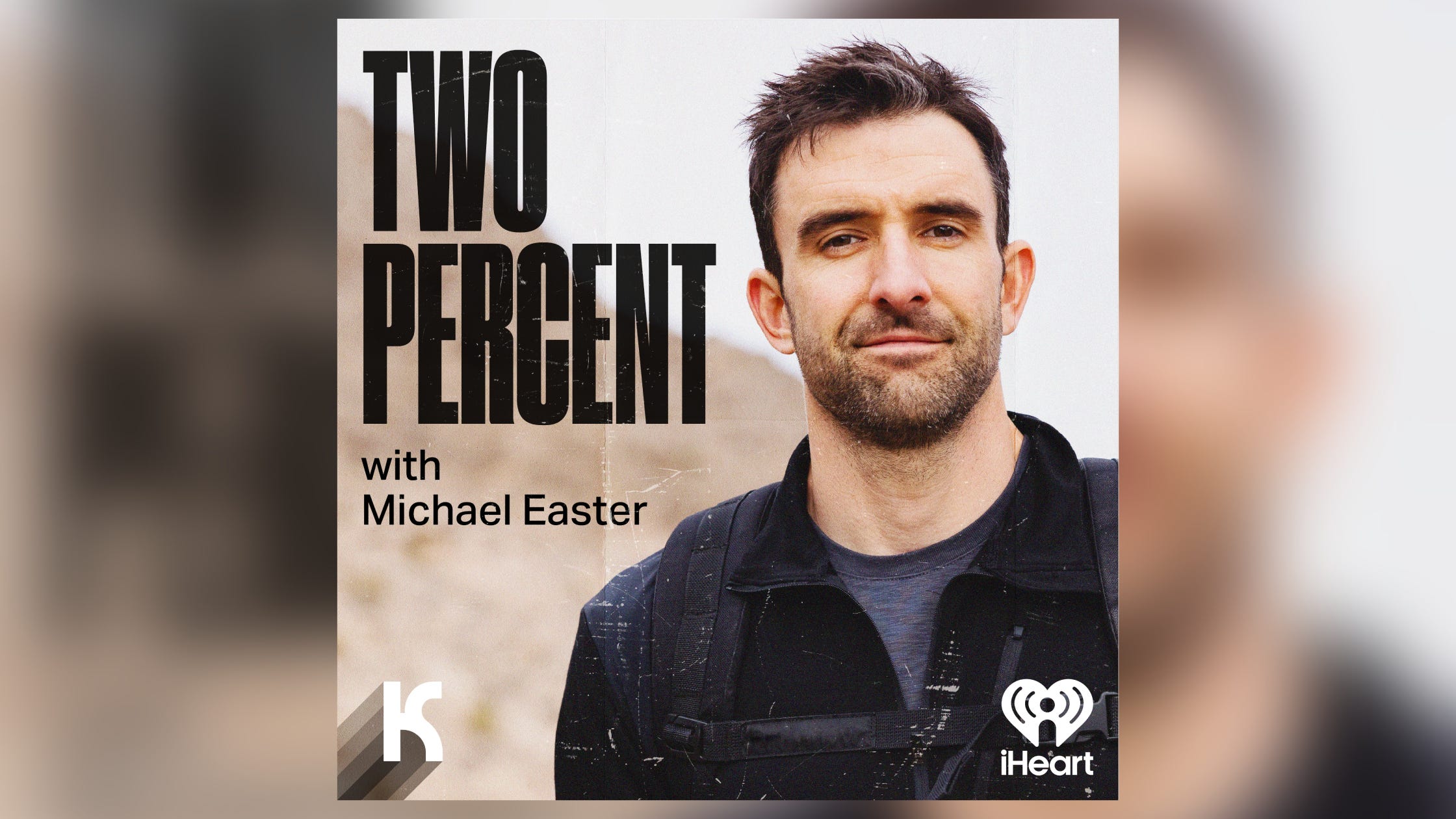
Today I’m talking to Melissa Urban, Founder of the Whole30 movement.
If you’ve been to a grocery store in the last decade, you’ve probably encountered Melissa’s work. The “Whole30 approved” label is on hundreds of different health foods (including the Waterloo seltzer I’m drinking as I write this).
The Whole30 is not a long-term diet, a detox, or a weight-loss program. It even asks people not to weigh themselves when they do it.
It’s a short-term elimination plan. Elimination diets have been used since the 1920s to help people with food sensitivities. In short: For 30 days, you eat foods that research shows tend to sit well with people, which can help identify food sensitivities and create new habits and techniques for successfully navigating stress, discomfort, and negative emotions.
Why we should listen to Mellisa: Millions of people have done Whole30, which has given her and her team of researchers millions of data points showing what actually helps people change their habits.
Melissa is incredible because she’s gone through some really challenging life events, but she’s used them to grow and build something that helps others. We covered:
How traumatic experiences shaped Melissa’s life.
Kicking heroin.
How finding a strong group of women to exercise with helped Melissa stay sober.
The link between eating and emotions, and how people often use food to deal with discomfort.
The science of the Whole30 and food sensitivities.
Foods that are most likely to cause issues for people.
Foods that most people don’t have issues with (i.e. the friendliest foods).
What we lose when we treat nutrition solely as a means to lose or gain weight.
Melissa’s reaction to Whole30 getting last place on US News and World Reports’ ranking of the best diets. (And what happened when a reporter from the magazine eventually called her to talk about what Whole30 actually is).
What Melissa has learned about habit change from millions of data points.
Why healthy eating is harder for some people (psychology, systemic barriers, etc).
Controversial changes to Whole30 and how Melissa developed them.
Melissa’s take on some of the hottest topics in food (seed oils, etc).
Why Melissa talks about her political views (and why I don’t).
The best book Melissa read in the last two years.
Here’s the episode in video
Here’s the episode in audio
This link opens the episode in your podcast player of choice.
Show notes:
Melissa Urban’s substack XO, MU by Melissa Urban
New edition of the Whole30 with the controversial—but science-backed and helpful—updates Melissa mentioned.
Resources for the Whole30. I especially like the “Non-Scale Victories Checklist.” We all need a reminder that nutrition isn’t just a number on a scale.
Research on elimination diets (here, here, here, here, and here).
Research on how food insecurity impacts healthy eating.
Research on how systemic barriers (time, access, convenience) often hurt low-income families’ ability to eat healthy.
Have fun, don’t die, thanks for listening,
-Michael
Want to customize what emails you get? Manage your preferences here. You can toggle Two Percent Podcast on or off anytime.
Great episode, I enjoyed it a lot
Inspiring interview! So inspiring that I'm now on Day 10 of Whole 30. I'm feeling good.