

Podcast: Is Alcohol Actually Bad for You? The Truth About Drinking, Social Media & Diet Soda
Unpacking the moral panic of screen time, the hidden downsides of Dry January, and the daily vice wellness gurus say is killing me.
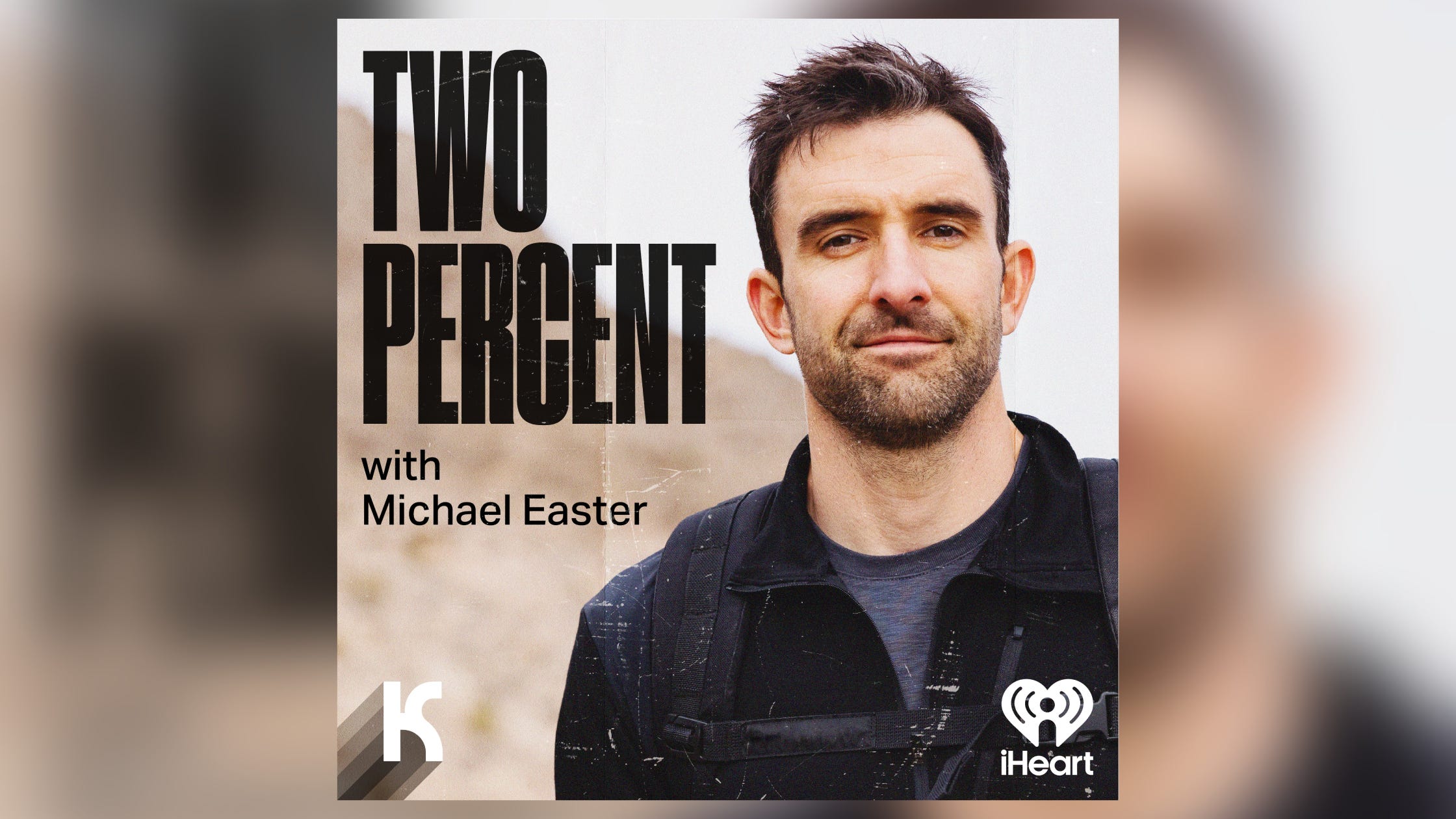
Today’s episode is about vices. But not in the puritanical sense.
We’re taking an honest look at the tradeoffs of our “bad habits”—and reconsidering one habit we’ve been told is rotting our brains, making us nuts, and destroying society.
First, I talked to Dean Stattmann, a reporter for GQ. While the rest of the world was doing Dry January, his New Year’s resolution was to drink more. Dean was a social drinker, but he decided to stop after seeing advice online that any alcohol is poison. His reward: worse mental health, damaged relationships, and a creeping sense that the cure was worse than the disease.
Next, Taylor Lorenz. In a world where social media is called the new smoking, she makes a provocative case. She thinks social media isn’t actually addictive, that the panic around it is overblown, and that the new laws restricting kids’ access may cause more harm than they prevent. I don’t agree with everything she said. But she changed my thinking on the topic, which is exactly what a great guest does. Weigh in with your own thoughts on the topic in the comments (just listen first).
Finally, I covered my own current vice. Wellness influencers say it’s killing me. Scientists disagree.
Video version
Audio version
This link opens the episode in your podcast player of choice.
Show notes
Dean’s piece in GQ: Why my New Year’s resolution is to start drinking again.
Why drinking bonds people: Costly Signaling Theory research (here and here).
Taylor Lorenz’s Substack User Mag.
Meta and YouTube found negligent in a landmark social media addiction case.
Taylor’s take on the landmark social media rulings in California and New Mexico.
Can You Really be Addicted to Social Media? A post by psychiatrist and Yale Medical School lecturer Sally Satel exploring why the dopamine argument fails.
More on dopamine and addiction: Addiction Fiction: Dopamine is Not Why Kids Love TikTok.
256-page consensus report from the National Academies of Science, Engineering, and Medicine finds no support for the idea that social media is harming kid/teen mental health at a population level.
The Anxious Generation book, which Taylor referenced.
A review in Nature of The Anxious Generation, titled “The great rewiring: is social media really behind an epidemic of teenage mental illness?”
To read my own thoughts on addiction (what it is, what causes it) read chapter 5 of my book Scarcity Brain. I define addiction as “continued use/behavior despite adverse consequences” and see addiction as a spectrum. But I agree with Taylor that a stricter definition matters enormously in legal and policy contexts.
Have fun, don’t die, thanks for listening,
-Michael
Want to customize what emails you get? Manage your preferences here. You can toggle Two Percent Podcast on or off anytime.
I always love your stuff, but was really disturbed by the social media information provided on this episode. I adamantly disagree with your guest and it goes against a ton of research and information by mental heath professionals. She called out The Anxious Generation book as being essentially bad information. I couldn’t disagree more.
I think it’s great that you have differing opinions on here, since people need to hear both sides.
On the alcohol topic - I appreciate Dean’s opinion, especially the end where he’s not saying everyone should add it back in if they are otherwise happy. He’s obviously someone that lives in cities, likes to bar hop, do adventurous things, and the inhibition lowering affect of alcohol does him a lot of good. He also might have given up on being sober too soon and never learned how to be more open and lower inhibition without needing alcohol to do so. Kids don’t meed alcohol to be goofy and have fun. Adults don’t either, but it takes time and effort to do so. If you’re not willing to work on that while sober, alcohol might be best for those people.
In Wendy Bounds book or other anecdotes of people opening up and lowering inhibition while drinking - it’s nice alcohol gives them that feeling of finally letting loose a little bit but there’s also a sadness there - that so many can’t do so without the help of alcohol. That’s not exactly healthy either.
The other issue is Dean and others act like they’re only having 1-2 drinks which is likely not the case. It’s more like 2-3 and 4-6+ on his bar hopping nights. If that’s once a month that’s fine but people struggle having just 1-2 drinks.
Most people have at least 50-100+ days/events a year (birthdays, holidays, weddings, parties, work happy hours, vacations, etc) where they will have a drink which usually ends up being 2-3 drinks. Thats a lot of days and therefore lot of nights with poor food choices and poor sleep. That adds up.
I feel like in an ideal world, kids would be more emotionally vulnerable and outgoing, and go into adulthood with 3rd places that don’t need drinking to get the much needed socialization and fun.
With screen time going up, that seems unlikely… so maybe they and a lot of us do need to drink a little more.
It seems like Dean ultimately likes fun in his life and he thinks alcohol helps him with that.
What is Catherine Price’s opinion on FUN without alcohol? Interviewing her and focusing on the nuance of alcohol vs non alcohol fun, and third places with or without alcohol would be an interesting conversation!